

 Facebook
 X
X
 Pinterest
 Copy Link

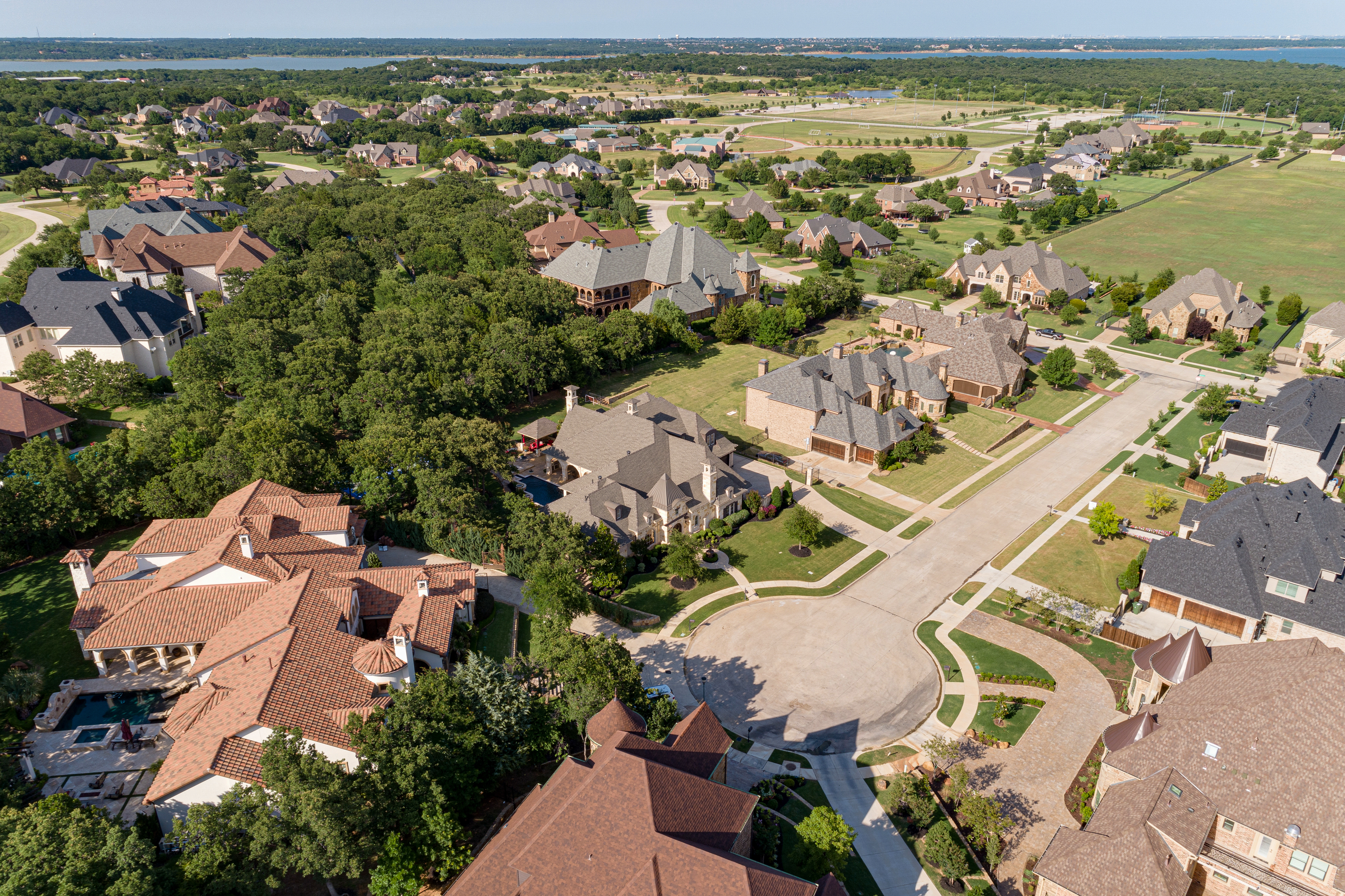
Dallas-Fort Worth Home Buying FAQ: What Buyers Need to Know Before Purchasing
Buying a home in Dallas-Fort Worth comes with a lot of questions, especially for first-time buyers and those relocating to North Texas. Because DFW is a large and diverse metro area, answers that apply in one city or neighborhood may not apply in another.
This FAQ-style guide is designed to answer the most common buyer questions clearly and directly, using real-world local insight so you can make informed decisions before purchasing a home in DFW.
What Is the First Step to Buying a Home in Dallas-Fort Worth?
The first step is getting pre-approved with a lender and defining your budget based on monthly costs rather than just purchase price. In DFW, property taxes, homeowners insurance, and HOA fees can significantly affect affordability, so understanding these early helps buyers shop with confidence.
How Much Money Do I Need to Buy a Home in DFW?
Most buyers need funds for three main expenses: a down payment, closing costs, and earnest money. Down payments can be as low as 3 to 3.5 percent depending on the loan program. Closing costs typically range from 2 to 3 percent of the purchase price. Earnest money in DFW is commonly around 1 percent.
Are Home Prices Still Rising in Dallas-Fort Worth?
Home prices vary widely by city, neighborhood, and price point. Some areas are still seeing appreciation, while others are stabilizing. DFW is made up of many micro-markets, so buyers should focus on recent comparable sales in their target area instead of relying on metro-wide trends.
Is It Better to Buy in Dallas or the Suburbs?
The right choice depends on lifestyle, commute, and budget. Dallas offers proximity to employment hubs and more walkable areas, while suburbs often provide larger homes, newer construction, and master-planned communities. Each option comes with different tax rates, HOA structures, and long-term considerations.
How Competitive Is the DFW Housing Market Right Now?
Competition depends on location and price range. Well-priced homes in desirable areas often receive strong interest, while overpriced homes may sit longer. Buyers who are pre-approved and working with a local strategy are better positioned to compete successfully.
What Are Typical Closing Costs for Buyers in DFW?
Buyer closing costs usually range from 2 to 3 percent of the purchase price. These costs may include loan fees, appraisal, title insurance, escrow fees, recording fees, and prepaid items such as interest and homeowners insurance.
How High Are Property Taxes in North Texas?
Property taxes in Texas are higher than in many other states because there is no state income tax. Tax rates vary by city, county, and school district. Buyers should review estimated taxes for each home and understand how homestead exemptions can reduce future tax bills.
Are Homeowners Associations Common in Dallas-Fort Worth?
Yes, homeowners associations are very common, especially in suburban and master-planned communities. HOA fees and rules vary widely. Buyers should carefully review HOA documents to understand fees, restrictions, and long-term obligations before purchasing.
Should I Be Concerned About Foundation Issues in DFW Homes?
Foundation movement is common in North Texas due to soil conditions. Not all foundation issues are major problems, but inspections are critical to determine what is typical maintenance versus a significant concern. A local expert can help interpret inspection findings accurately.
Is New Construction a Good Option in DFW?
New construction can be an excellent option, particularly in growing suburbs. Buyers should understand that builder contracts favor the builder, timelines can change, and inspections are still important even for new homes.
How Long Does It Take to Buy a Home in Dallas-Fort Worth?
Once under contract, most DFW transactions close within 21 to 30 days. The full process can take longer depending on financing, inspections, negotiations, and market conditions.
Do I Need a Realtor to Buy a Home in DFW?
A local Realtor helps buyers understand pricing, neighborhoods, contract terms, and negotiation strategies specific to Dallas-Fort Worth. Local expertise can help buyers avoid costly mistakes and feel confident throughout the process.
How Do I Choose the Right Area to Buy in DFW?
Buyers should consider commute times, school districts, property taxes, HOA presence, and future resale value. Because DFW is so large, choosing the right area often has a bigger impact on long-term satisfaction than choosing the right house.
What Mistakes Do Buyers Commonly Make in Dallas-Fort Worth?
Common mistakes include underestimating property taxes, ignoring HOA rules, relying too heavily on online estimates, overpaying due to emotional decisions, and using advice that does not apply to the local DFW market.
Can Out-of-State Buyers Purchase a Home in DFW?
Yes, many buyers relocate to Dallas-Fort Worth each year. Working with a local relocation specialist helps buyers compare cities, understand true costs, and feel confident purchasing from out of state.
When Is the Best Time to Buy a Home in Dallas-Fort Worth?
The best time depends on your goals, budget, and flexibility. Opportunities exist throughout the year. A smart strategy and local market knowledge matter more than trying to time the market perfectly.
Final Thoughts for DFW Home Buyers
Buying a home in Dallas-Fort Worth is not just about finding the right listing. It is about understanding costs, neighborhoods, and local market behavior so you can make decisions with confidence.
If you want guidance tailored to your goals, location, and budget, working with a knowledgeable local professional can make the process smoother and far less stressful.


