

 Facebook
 X
X
 Pinterest
 Copy Link
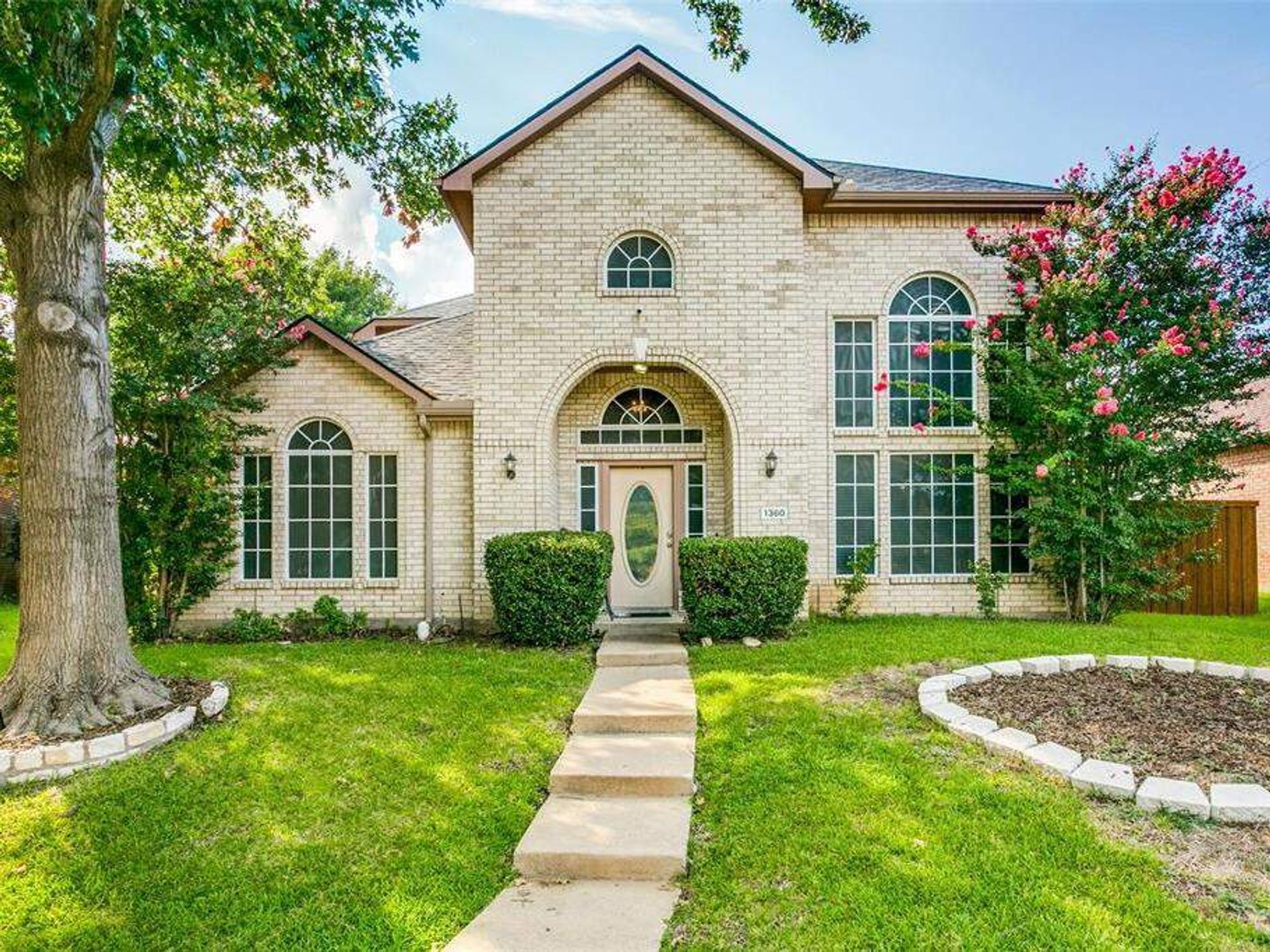
What Does It Really Cost to Buy a Home in Dallas-Fort Worth?
When buying a home in Dallas-Fort Worth, many buyers focus on the purchase price and monthly mortgage payment. What often comes as a surprise are the additional costs that affect both your upfront cash and your long-term budget.
Understanding the true cost of homeownership in North Texas helps you plan confidently, avoid surprises, and choose a home that fits your financial comfort level.
Purchase Price Is Only the Starting Point
The listed price of a home is just one piece of the puzzle. Buyers in DFW should plan for several expenses that appear before and after closing.
These costs generally fall into four categories:
-
Closing costs
-
Property taxes
-
Homeowners insurance
-
HOA fees and ongoing maintenance
Each plays a meaningful role in your total cost of ownership.
Closing Costs in Dallas-Fort Worth
Closing costs are paid at the time of purchase and typically range from 2 to 3 percent of the purchase price in DFW.
Common Buyer Closing Costs Include:
-
Loan origination and underwriting fees
-
Appraisal fee
-
Credit report fee
-
Title insurance
-
Title company and escrow fees
-
Recording fees
-
Prepaid interest
Depending on the contract, sellers may contribute toward closing costs, especially in balanced markets.
Property Taxes in North Texas
Texas does not have a state income tax, which means property taxes are higher than in many other states.
In DFW, property taxes vary based on:
-
City and county
-
School district
-
Special taxing districts such as MUD or PID
-
Whether the home is new construction or resale
What Buyers Should Know:
-
Property tax rates can range widely even within the same city
-
New construction homes may be taxed on full value after purchase
-
Homestead exemptions can reduce your tax bill if you qualify
Understanding taxes before buying is critical to estimating your true monthly payment.
Homeowners Insurance in DFW
Homeowners insurance is required by lenders and is an important part of your budget.
Insurance costs in North Texas are influenced by:
-
Roof age and materials
-
Hail and wind exposure
-
Home location and replacement cost
-
Deductible type and amount
Buyers often underestimate insurance costs, especially for older homes or homes with aging roofs. Getting insurance quotes early helps avoid surprises before closing.
HOA Fees and What They Cover
Homeowners associations are common in Dallas-Fort Worth, particularly in suburban and master-planned communities.
HOA fees vary depending on:
-
Neighborhood amenities
-
Common area maintenance
-
Community management costs
-
Rules and restrictions
Typical HOA Costs:
-
Monthly or quarterly dues
-
Special assessments when needed
-
Transfer fees at closing
HOAs are not inherently good or bad, but buyers should understand the rules, fees, and long-term expectations before purchasing.
Ongoing Maintenance and Ownership Costs
Beyond taxes and insurance, homeowners should budget for routine maintenance and repairs.
Common ongoing costs include:
-
HVAC servicing and eventual replacement
-
Roof maintenance
-
Lawn care and landscaping
-
Plumbing and electrical repairs
Planning ahead for maintenance helps protect your investment and reduces stress over time.
Example Monthly Cost Breakdown
While every home is different, a realistic DFW monthly budget may include:
-
Mortgage payment
-
Property taxes
-
Homeowners insurance
-
HOA dues
-
Maintenance savings
Looking at the full picture helps buyers choose a home they can enjoy without financial strain.
Why Local Guidance Matters When Budgeting
Costs vary significantly across DFW. A home in Frisco may have very different taxes and HOA fees than a similar-priced home in Arlington or Fort Worth.
Working with a local real estate professional helps buyers:
-
Understand true monthly costs by area
-
Compare neighborhoods accurately
-
Plan cash needs for closing
-
Avoid financial surprises
Planning Ahead Makes Buying Easier
The more informed you are about the real costs of buying a home in Dallas-Fort Worth, the more confident your decisions will be.
Buying smart is not about stretching your budget. It is about understanding the numbers clearly and choosing a home that supports your long-term goals.
Thinking About Buying a Home in DFW?
If you are preparing to buy, understanding closing costs, taxes, insurance, and HOA fees is just as important as finding the right home.
With local insight and careful planning, you can buy confidently and avoid common pitfalls that catch many buyers off guard.


