

 Facebook
 X
X
 Pinterest
 Copy Link


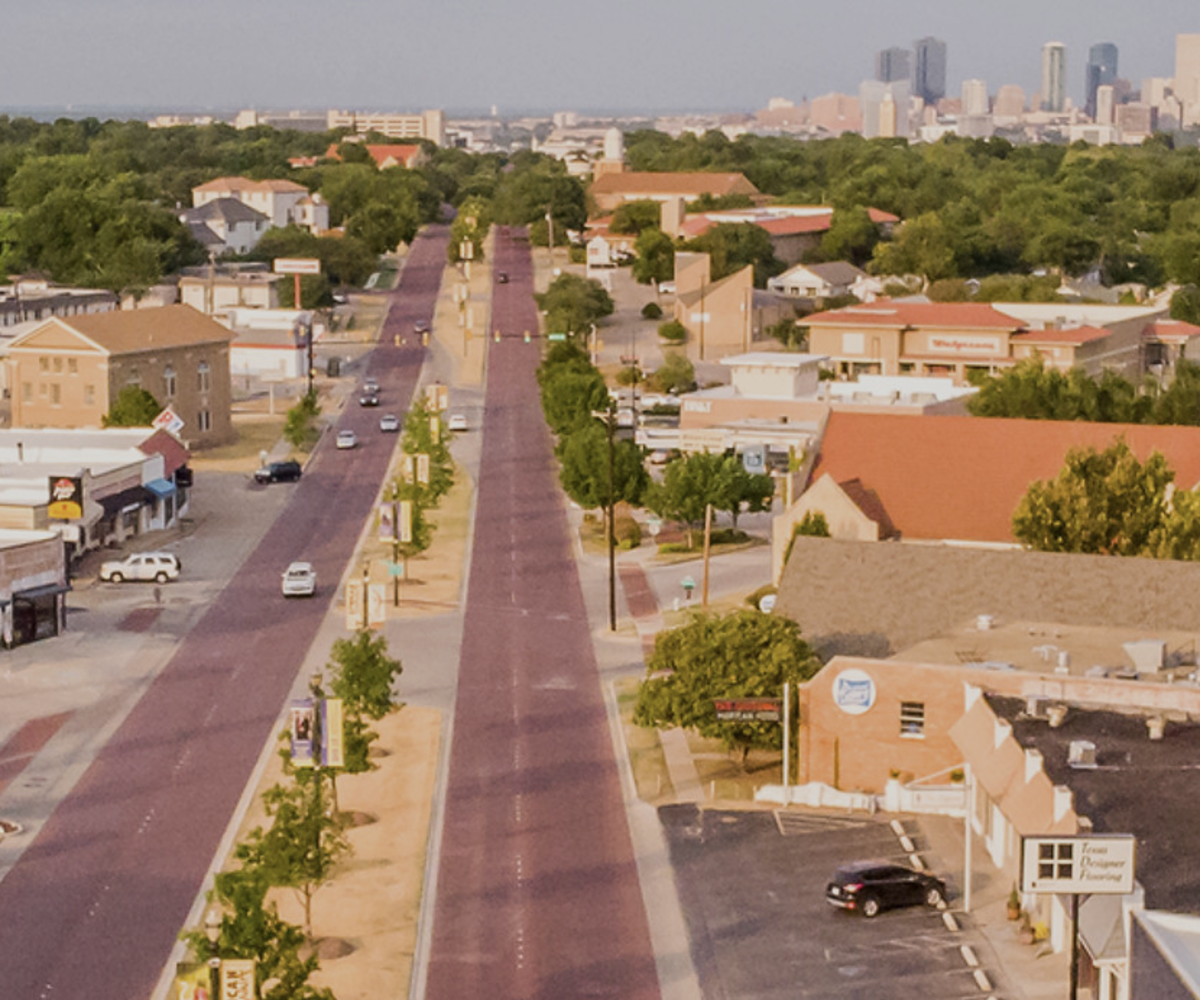
The Complete Guide to Buying a Home in Dallas–Fort Worth (DFW)
Buying a home in Dallas–Fort Worth is exciting—but it can also feel overwhelming if you don’t know what to expect. DFW is one of the largest and fastest-growing metro areas in the country, with dozens of cities, wildly different neighborhoods, and a market that can shift quickly from one zip code to the next.
This guide walks you step by step through how to buy a home in DFW, what makes this market unique, and how to avoid the most common mistakes buyers make.
Why So Many People Are Buying Homes in Dallas–Fort Worth
Dallas–Fort Worth continues to attract buyers from across the U.S. because of:
-
Strong job growth and diverse industries
-
No state income tax
-
A wide range of home prices and styles
-
Expanding suburbs with new construction
-
Relatively affordable housing compared to other major metros
That said, DFW is not one single market. Buying in Dallas proper feels very different from buying in Fort Worth, Frisco, Southlake, Mansfield, or Midlothian—which is why local expertise matters.
Step 1: Decide Where You Want to Live in DFW
One of the biggest mistakes buyers make is starting with the house instead of the location.
When narrowing down areas, consider:
-
Commute times and traffic patterns
-
School districts (even if you don’t have kids—this affects resale)
-
Property taxes by county and city
-
HOA presence and rules
-
Lifestyle (urban, suburban, or semi-rural)
DFW has everything from urban condos and historic neighborhoods to master-planned communities and acreage properties. Each comes with different costs and expectations.
Step 2: Understand the True Cost of Buying a Home in DFW
The purchase price is only part of the equation. Buyers in North Texas should budget for:
Upfront Costs
-
Down payment (as low as 3–3.5% for some loan types)
-
Closing costs (typically 2–3% of the purchase price)
-
Earnest money (often 1% in DFW)
Ongoing Costs
-
Property taxes (Texas has higher property taxes than many states)
-
Homeowners insurance (hail and wind matter here)
-
HOA dues (very common in DFW suburbs)
-
Maintenance (especially for older homes)
Knowing these numbers upfront helps you buy confidently without stretching too far.
Step 3: Get Pre-Approved Before You House Hunt
In DFW, pre-approval is not optional—it’s essential.
A pre-approval:
-
Shows sellers you’re serious
-
Helps you move quickly in competitive areas
-
Gives you a realistic budget
-
Strengthens your offer in multiple-offer situations
Pre-approval is different from pre-qualification and carries far more weight with sellers.
Step 4: Start the Home Search (What to Expect in DFW)
Once you start touring homes, you’ll notice a few DFW-specific realities:
-
Homes can go under contract quickly in desirable areas
-
New construction is common—but contracts heavily favor builders
-
Some homes are priced intentionally low to spark bidding
-
Others sit longer due to overpricing or condition issues
This is where a local Realtor helps you distinguish between:
-
A fair price vs. a red flag
-
A “hot” listing vs. artificial urgency
-
When to act fast—and when to walk away
Step 5: Making an Offer That Actually Gets Accepted
Winning an offer in DFW isn’t always about paying the most—it’s about writing the cleanest, smartest offer.
A strong offer may include:
-
Strategic pricing (not always over asking)
-
Appropriate earnest money
-
Flexible timelines
-
Smart negotiation around repairs
-
Clear understanding of appraisal risk
The right strategy depends entirely on the specific city, neighborhood, and price point.
Step 6: Inspections, Appraisal, and Negotiations
After your offer is accepted, the real work begins.
Inspections
In DFW, inspections often reveal:
-
Foundation concerns (very common in North Texas)
-
Roof and hail damage
-
HVAC age and efficiency
-
Drainage and grading issues
Appraisal
If the appraisal comes in low, you’ll need to:
-
Renegotiate the price
-
Bring additional cash
-
Or walk away (depending on your contract)
This phase is where experienced guidance can save you thousands.
Step 7: Closing on Your DFW Home
Closings in Texas are typically:
-
Fast (often 21–30 days)
-
Conducted at a title company
-
Very document-heavy
Before closing, you’ll complete:
-
Final walkthrough
-
Closing disclosure review
-
Utility transfers
-
Homestead exemption planning (after closing)
Once you sign, you get the keys—and officially become a homeowner in DFW.
Common Mistakes Buyers Make in Dallas–Fort Worth
Avoid these pitfalls:
-
Ignoring property tax differences by city
-
Falling in love before reviewing numbers
-
Skipping inspections to “win”
-
Assuming all suburbs are the same
-
Using out-of-area advice that doesn’t apply to North Texas
Do You Need a Local DFW Realtor to Buy a Home?
DFW is not a one-size-fits-all market. Local knowledge matters when it comes to:
-
Micro-market pricing
-
Negotiation strategies
-
Builder contracts
-
Off-market opportunities
-
Future resale value
A Realtor who understands Dallas–Fort Worth city by city helps you make smarter decisions—not just faster ones.
Ready to Buy a Home in Dallas–Fort Worth?
Whether you’re a first-time buyer, relocating to North Texas, or upgrading to your next home, having a clear plan makes all the difference.
If you want:
-
Honest pricing guidance
-
Neighborhood-specific insight
-
A smooth, low-stress buying process
Working with a local DFW real estate expert can help you buy confidently—and avoid costly mistakes.


